
.svg)


Dental Implant Insurance Explained: What’s Covered And What’s Not
Missing teeth can affect far more than just your smile. They can impact your confidence, ability to eat comfortably, and long term oral health. While dental implants are considered one of the most effective and natural looking tooth replacement options available today, many patients hesitate because they are unsure what their insurance will actually pay for. Does dental insurance cover implants? Which procedures are included? And what costs should you expect to pay out of pocket?
In this guide, we will break down everything you need to know about dental implant insurance coverage in simple, easy to understand terms.
Does Dental Insurance Cover Dental Implants?
The answer is yes, but coverage often depends on your specific dental insurance plan. While some insurance providers now offer partial coverage for dental implants, others may only cover certain parts of the treatment rather than the full procedure.
In many cases, dental insurance plans help pay for related procedures such as consultations, tooth extractions, X rays, implant crowns, or bone grafting. However, the implant post itself may only receive limited coverage or may not be included at all. Some providers still consider dental implants an elective treatment, which can affect the amount covered under your benefits.
Several factors can influence your dental implant coverage, including:
- Your insurance provider and plan type
- PPO versus HMO coverage
- Annual maximum benefit limits
- Waiting periods
- Medical necessity requirements
- Pre existing missing tooth clauses
- Whether your dentist is in network
It is also important to understand that every insurance plan is different. Two patients with different providers may receive completely different levels of coverage for the same implant procedure. That is why reviewing your policy carefully and requesting a pre-treatment estimate can help you avoid unexpected costs later on.
At Azusa Dental Clinic, our team helps patients verify their insurance benefits and better understand what may be covered before treatment begins. This allows patients to make informed decisions about restoring their smile with confidence.
Which Parts of Dental Implant Treatment Are Usually Covered?
Dental insurance coverage for implants can vary widely from one provider to another. In many cases, insurance does not cover the entire implant procedure, but it may help reduce the cost of certain steps involved in treatment. Understanding which services are commonly included can help patients better prepare for their out of pocket expenses.
1. Initial Consultation And Diagnostic Exams
Most dental insurance plans will partially or fully cover the initial consultation and diagnostic appointments. These visits may include:
- Comprehensive oral exams
- Digital X rays
- CBCT scans
- Treatment planning
These evaluations are important because they help determine whether you are a good candidate for dental implants and identify any additional procedures you may need before treatment.
2. Tooth Extraction
If a damaged or severely decayed tooth needs to be removed before implant placement, insurance often covers a portion of the extraction cost. Coverage usually depends on whether the extraction is considered medically necessary.
3. Bone Grafting Or Sinus Lift
Some patients require bone grafting or sinus lift procedures to create a strong foundation for dental implants. Insurance coverage for these treatments can vary significantly depending on the complexity of the procedure and your specific policy.
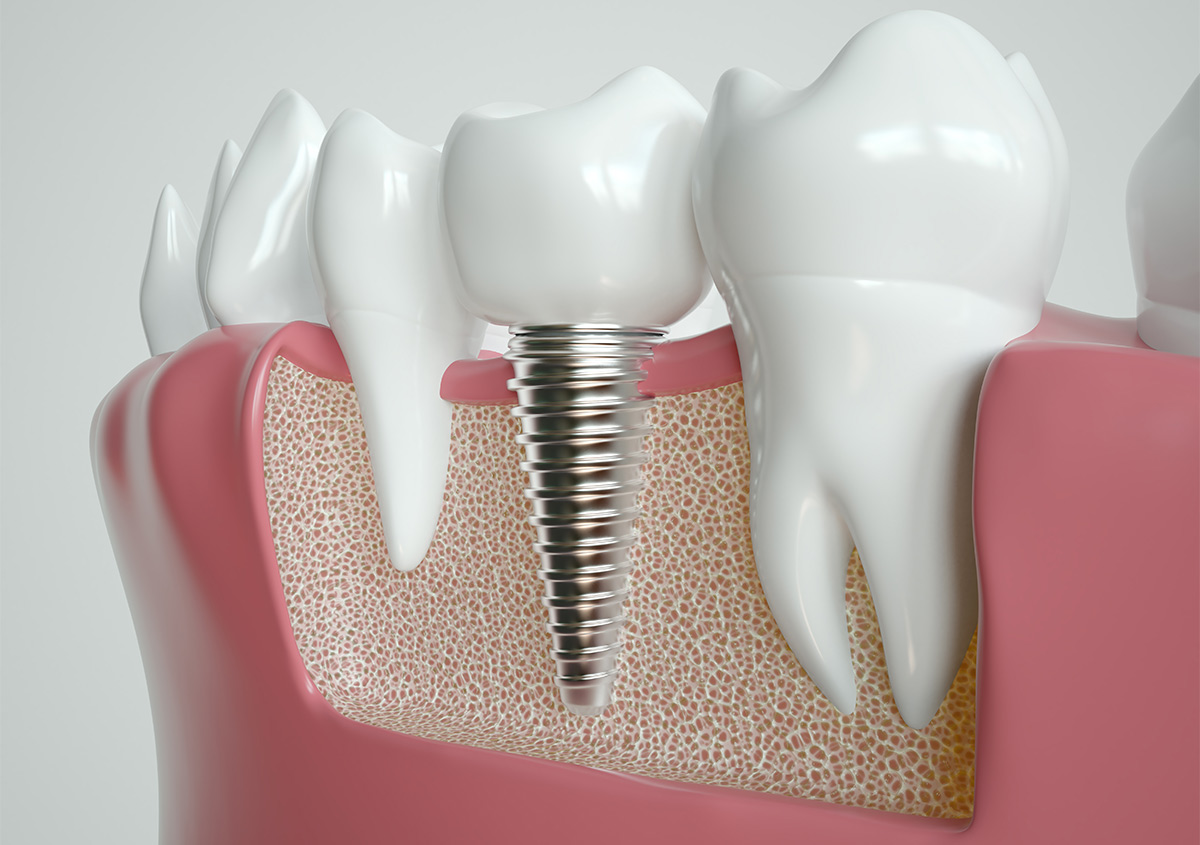
4. Dental Implant Crown
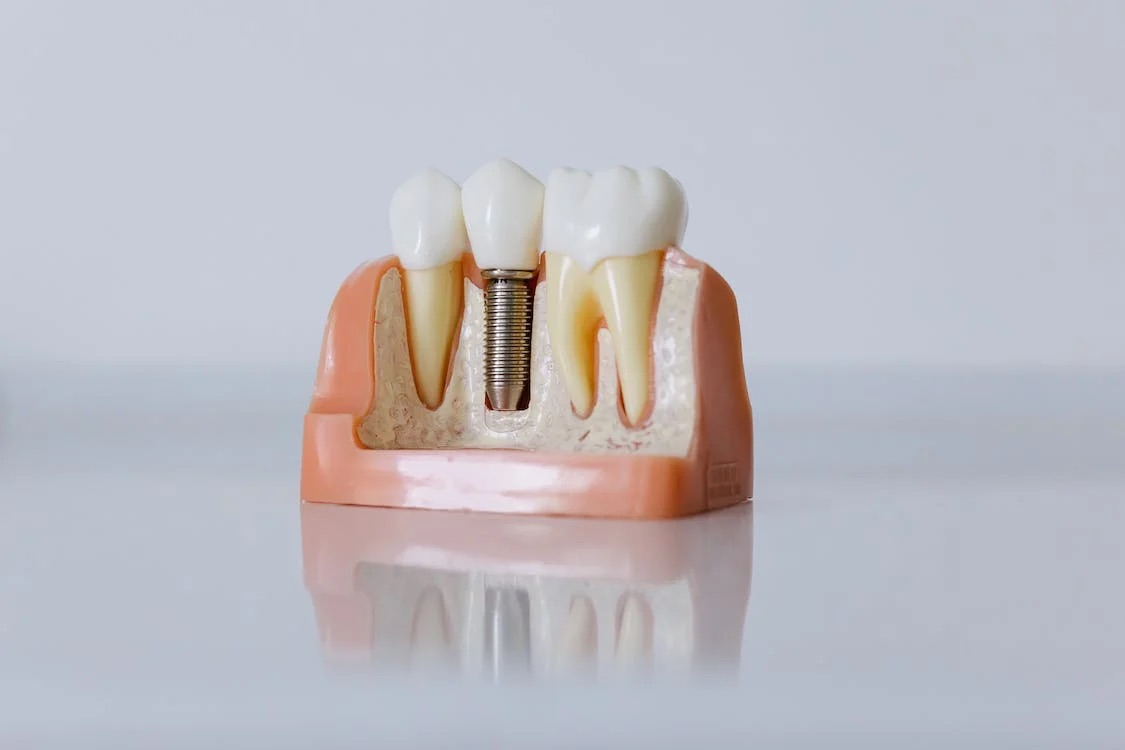
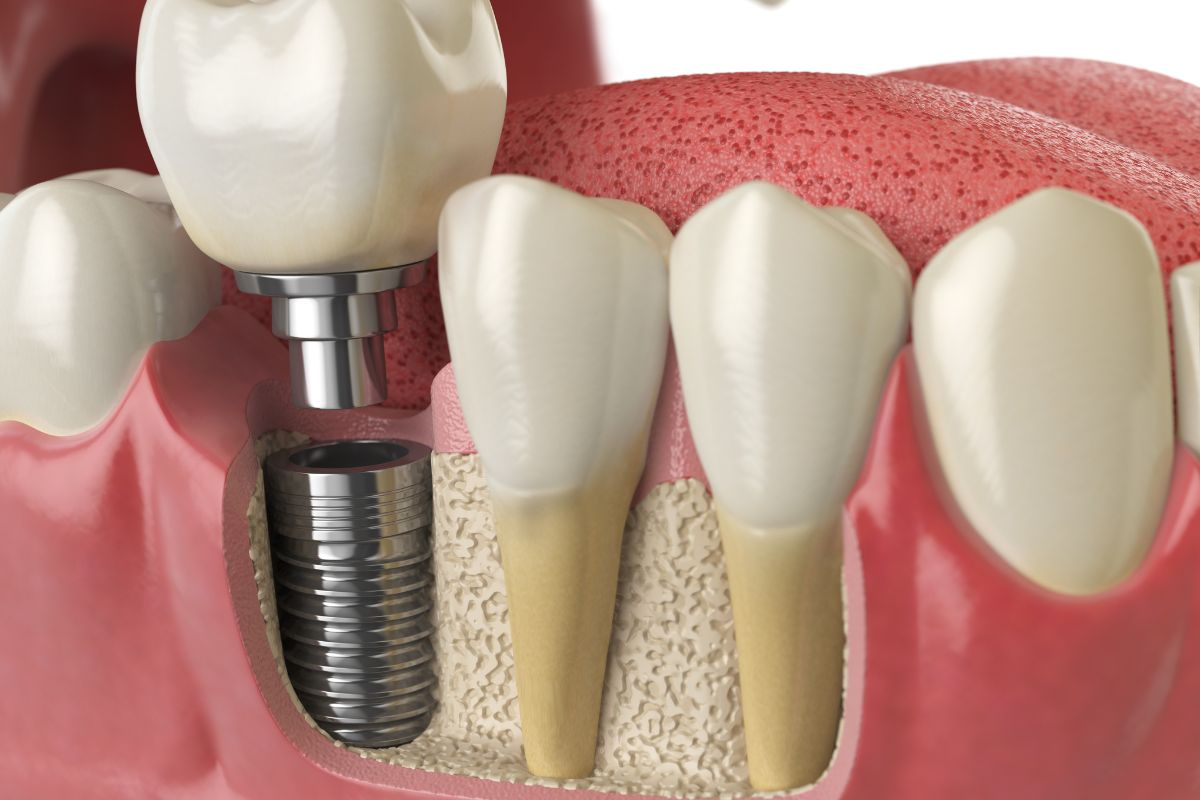
The implant crown is the visible tooth restoration placed on top of the implant. Many insurance plans are more likely to provide partial coverage for the crown compared to the implant post itself. Since the crown restores function and appearance, some providers classify it similarly to other restorative treatments.
5. Implant Supported Dentures
For patients replacing multiple missing teeth, implant supported dentures may qualify for partial insurance coverage. Certain plans may help cover part of the restoration or denture portion of treatment.
6. Sedation And Additional Procedures
Sedation dentistry, gum treatments, or additional preparatory procedures may not always be covered. However, some insurance providers may offer partial benefits if the treatment is considered medically necessary.
What’s Usually NOT Covered By Insurance?
Although some dental insurance plans provide partial benefits for implant treatment, there are still several costs that patients may need to pay out of pocket. Understanding these common exclusions ahead of time can help you avoid surprises and better plan for your treatment budget.
Here are some services and expenses that are often not fully covered by dental insurance:
- The full cost of the dental implant post: Many insurance providers only cover a portion of the implant itself or may exclude it entirely.
- Cosmetic procedures: Treatments performed mainly for aesthetic improvements are typically not covered under standard dental insurance plans.
- Sedation dentistry: Nitrous oxide, IV sedation, or general anesthesia may not be included unless medically necessary.
- Procedures that exceed annual maximums: Most dental plans have yearly benefit limits, which means patients may still have remaining balances after insurance payments are applied.
- Treatments completed during waiting periods: Some plans require patients to wait several months before implant related benefits become available.
- Pre-existing missing tooth conditions: Certain insurance companies may deny coverage if the tooth was missing before the policy became active.
- Implant replacement caused by poor oral care: Insurance providers may not cover replacement costs if implant failure is linked to neglect or lack of proper maintenance.
- Certain advanced preparatory procedures: Some bone grafting, sinus lifts, or complex surgical procedures may receive limited or no coverage depending on the policy.
Even if your insurance does not fully cover dental implants, that does not mean treatment is out of reach. Many patients combine partial insurance benefits with flexible financing options to make their smile restoration more affordable. At Azusa Dental Clinic, our team works closely with patients to explain coverage details clearly and help them explore the best financial solution for their needs.
Can Medical Insurance Cover Dental Implants?
In some situations, medical insurance may help cover certain parts of dental implant treatment, especially when tooth loss is connected to an accident, facial trauma, injury, or a medically necessary procedure. For example, patients who need reconstructive oral surgery after an injury or health condition may qualify for partial medical insurance benefits.
However, medical insurance usually does not cover implants that are considered purely dental or cosmetic. Coverage can vary significantly depending on your provider, diagnosis, and treatment plan. In many cases, medical insurance may help pay for related procedures such as extractions, bone grafting, or surgical treatment rather than the implant itself.
Because insurance policies can be complex, it is important to verify your benefits before starting treatment. At Azusa Dental Clinic, our team can help patients review both dental and medical insurance options to better understand potential coverage and estimated costs.
How Much Do Dental Implants Cost With Insurance?
The cost of dental implants with insurance can vary depending on the type of implant treatment you need, the complexity of your case, and how much your insurance provider covers. While insurance may help reduce some expenses, patients should still expect out of pocket costs for certain parts of treatment.
Here is a general breakdown of average dental implant costs with insurance assistance:
Several factors can affect the final price of dental implant treatment, including:
- Number of implants needed
- Type of restoration used
- Bone grafting or sinus lift procedures
- Sedation dentistry
- Materials used for the crown or denture
- Insurance annual maximums and coverage limits
It is important to remember that dental insurance rarely covers the entire cost of implants. Most plans only provide partial benefits, especially for the restoration portion of treatment. However, even limited coverage can significantly reduce overall expenses.
At Azusa Dental Clinic, every treatment plan is customized based on the patient’s oral health needs, goals, and insurance benefits. Our team helps patients understand their coverage clearly and explore flexible financing options that make restoring their smile more manageable and affordable.
Flexible Financing Options For Dental Implants at Azusa Dental
At Azusa Dental Clinic, we believe every patient deserves access to high quality dental care without unnecessary financial stress. Since dental insurance may not always cover the full cost of implant treatment, our team offers flexible financing options to help make restoring your smile more manageable and affordable.
We proudly accept all PPO insurance plans and work closely with patients to maximize available benefits. Before treatment begins, our team will:
- Verify your insurance coverage
- Explain your benefits clearly
- Provide transparent cost estimates
- Help file insurance claims on your behalf
For expenses not fully covered by insurance, Azusa Dental also offers CareCredit financing with convenient monthly payment options. This allows patients to move forward with treatment while spreading costs over time instead of delaying necessary care.
Whether you need a single tooth implant or full mouth restoration, our goal is to help you find a payment solution that fits your budget and lifestyle comfortably.
With more than 30 years of experience in dentistry, Dr. Virginia Ipapo is known for providing gentle, personalized care focused on long term oral health and patient comfort. She has extensive experience in implant dentistry, cosmetic dentistry, and restorative treatments, helping patients restore healthy, confident smiles with customized treatment plans.
Recognized as one of America’s Top Dentists in 2011, Dr. Ipapo combines advanced dental technology with a compassionate approach to ensure every patient feels informed and comfortable throughout their care. At Azusa Dental Clinic, she is committed to helping patients understand their treatment options, including dental implant insurance and financing solutions, so they can make confident decisions about their smile.
Conclusion
Understanding dental implant insurance can feel overwhelming, but knowing what is covered and what is not can help you make more confident decisions about your oral health. Even if insurance only covers part of the treatment, dental implants remain one of the most reliable and long lasting solutions for replacing missing teeth and restoring your smile.
At Azusa Dental Clinic, our team is committed to helping patients navigate insurance benefits, explore flexible financing options, and receive personalized care every step of the way. If you are considering dental implants, schedule a consultation today and let us help you find the best treatment plan for your smile and budget.


.webp)