
.svg)


Missing a molar may seem like a minor dental issue at first, but it can have a major impact on your ability to chew comfortably and enjoy your favorite foods. Because molars handle most of the heavy work during chewing, losing even one can reduce bite strength, place extra stress on surrounding teeth, and affect your overall oral health. Fortunately, modern dental implants offer a long-lasting solution that closely replicates the function of a natural tooth.
In this guide, we'll explore how molar implants restore chewing power, protect your jawbone, and help you regain confidence at mealtime. Whether you've recently lost a tooth or are considering your tooth replacement options, understanding the benefits of molar implants can help you make an informed decision about your smile and long-term oral health.
Common Problems Caused by Missing Molars
Many people assume that losing a molar is not a major concern because it is located toward the back of the mouth and less visible when smiling. However, molars play a critical role in chewing, bite balance, and overall oral health. In fact, they are responsible for handling most of the force generated during chewing and breaking food into smaller pieces for proper digestion.
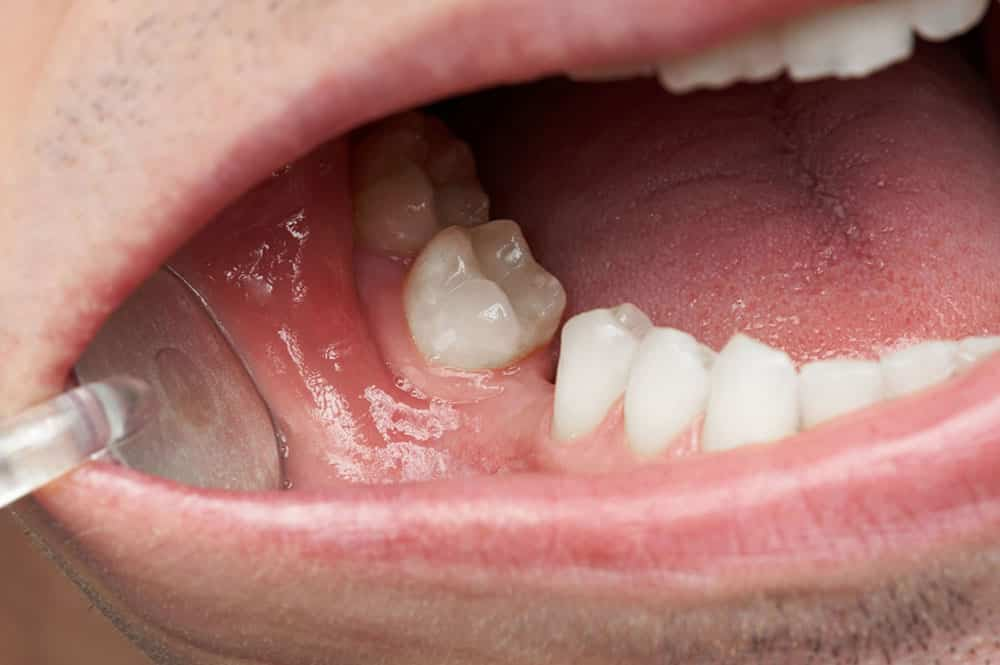
When a molar is missing, several problems can develop over time:
1. Reduced Chewing Efficiency
Without a molar, chewing becomes less effective and less comfortable. Many patients begin favoring one side of the mouth, which can place excessive stress on remaining teeth and jaw muscles.
2. Teeth Shifting Into the Empty Space
Natural teeth are designed to support one another. When a molar is lost, adjacent teeth may gradually drift into the empty space, leading to bite misalignment and uneven wear.
3. Jawbone Loss
One of the most significant consequences of tooth loss is bone resorption. The jawbone relies on stimulation from tooth roots to maintain its density and strength. Once a tooth is removed, the bone in that area begins to shrink due to lack of stimulation. According to the National Institute of Dental and Craniofacial Research (NIDCR), healthy bone support is essential for maintaining long-term oral function and stability.
4. Increased Risk of Future Dental Problems
Missing molars can contribute to gum disease, bite problems, TMJ discomfort, and additional tooth loss if left untreated. Over time, these issues often require more complex and costly treatment.
What Are Molar Dental Implants?
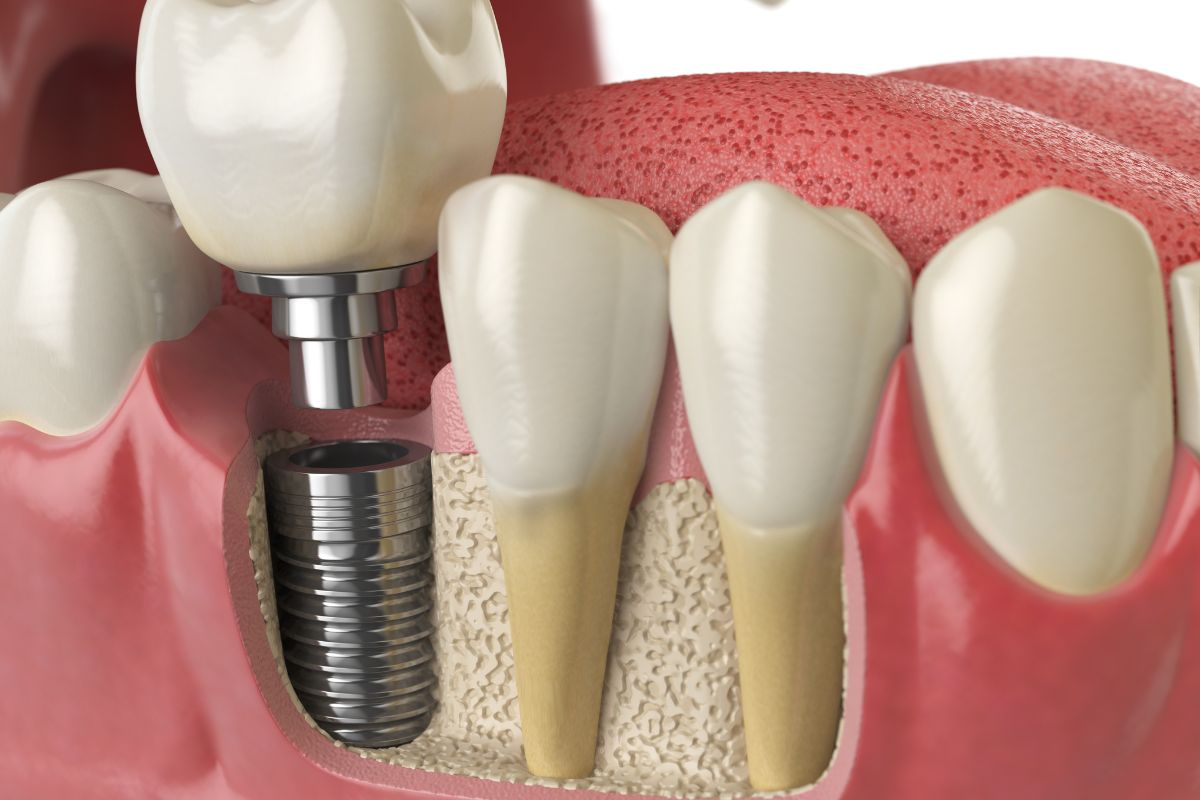
A molar dental implant is a permanent tooth replacement designed to restore both the appearance and function of a missing molar.
Unlike traditional bridges or removable dentures, dental implants replace the entire tooth structure, including the root.
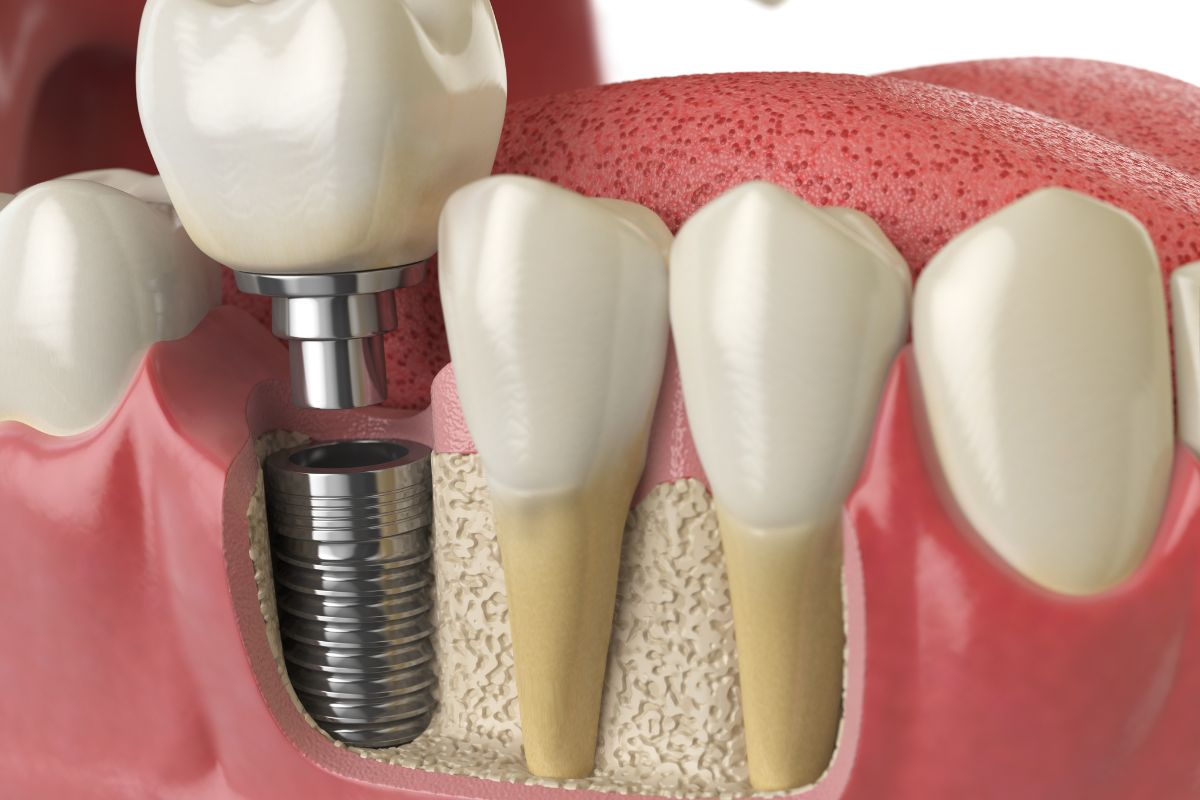
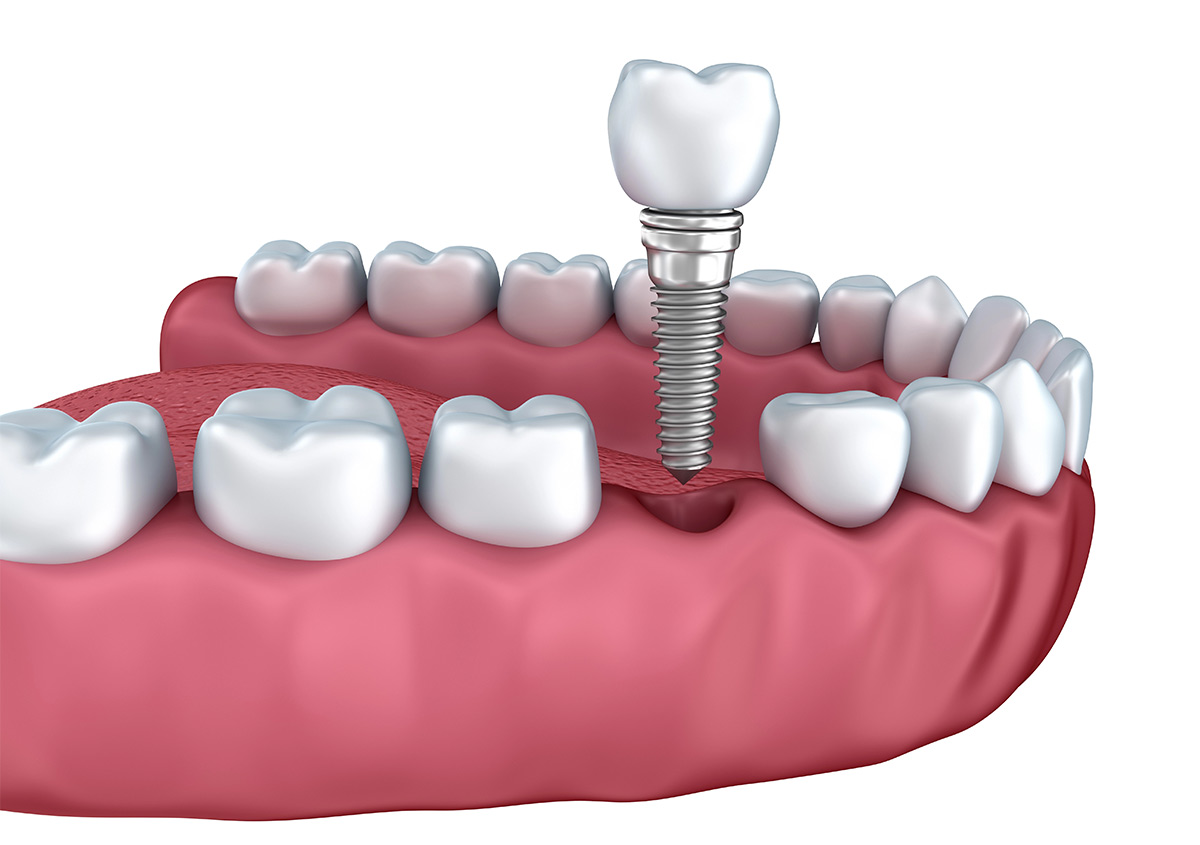
A complete molar implant consists of three parts:
- Titanium Implant Post: Surgically placed into the jawbone to act as an artificial tooth root.
- Abutment: Connects the implant post to the final restoration.
- Custom Dental Crown: The visible replacement tooth designed to match your natural smile.
The implant post gradually fuses with the jawbone through a biological process called osseointegration. This creates a strong and stable foundation that closely mimics the function of a natural tooth root.
Modern dental implants are considered one of the most predictable and successful procedures in dentistry. A large-scale study evaluating more than 15,000 implants reported an overall success rate exceeding 98%.
How Molar Implants Restore Chewing Power
One of the biggest benefits of replacing a missing molar with a dental implant is the restoration of chewing function.
1. Replacing the Missing Tooth Root
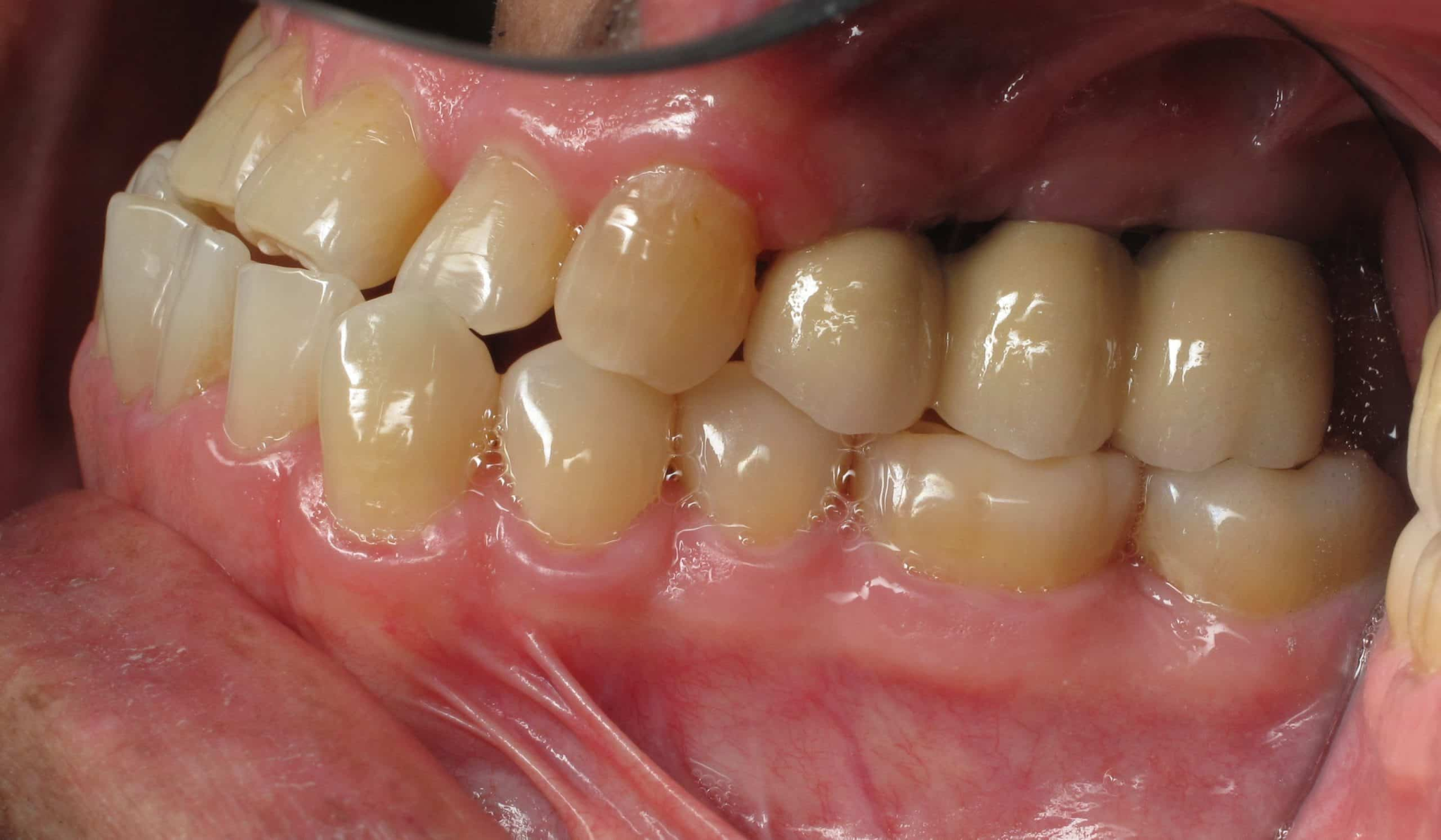
One of the key advantages of a molar implant is that it replaces not only the visible portion of the tooth but also the root beneath the gumline. Traditional bridges and removable dentures restore the appearance of a missing tooth, but they do not replace the natural root structure.
Dental implants are surgically placed into the jawbone, where they gradually fuse with the surrounding bone through a process called osseointegration. This creates a stable foundation that functions much like a natural tooth root, allowing chewing forces to be distributed evenly throughout the jaw and helping maintain long-term oral health.
2. Restoring Strong Bite Force
Because implants are anchored securely within the jaw, they provide exceptional stability during chewing. Patients can comfortably eat foods that may be difficult with other tooth replacement options, including:
- Steak
- Apples
- Nuts
- Raw vegetables
- Crusty bread
Many studies have shown that implant-supported restorations restore significantly greater chewing efficiency compared to removable dentures. This improvement can have a direct impact on nutrition and quality of life.
3. Preventing Further Bone Loss
After a tooth is lost, the jawbone in that area no longer receives the stimulation it needs to maintain its volume and density. As a result, bone resorption can begin shortly after tooth loss and continue over time.
Dental implants are the only tooth replacement option that actively stimulates the jawbone during everyday activities such as biting and chewing. By transferring chewing forces into the surrounding bone, implants help preserve bone structure and reduce the risk of future bone deterioration. This not only supports oral health but also helps maintain the natural contours of the face and jaw over the long term.
4. Improved Comfort and Confidence
Comfort is one of the most noticeable differences patients experience after receiving a molar implant. Unlike removable dentures or partials that may shift, slip, or create sore spots, implants become a permanent part of your smile and remain securely in place during daily activities.
Many patients report that their implant feels almost identical to a natural tooth after healing is complete. This stability allows them to eat, speak, laugh, and socialize with greater confidence. Knowing that your replacement tooth will not move unexpectedly can significantly improve your quality of life and help you feel more comfortable in both personal and professional situations.
Molar Implants vs. Other Tooth Replacement Options
If you are considering replacing a missing molar, it's important to understand how dental implants compare to other treatment options.
While bridges and dentures may initially cost less, implants often provide greater long-term value because they preserve bone, protect neighboring teeth, and typically last much longer with proper care.
Research consistently shows dental implant success rates of approximately 95% to 98%, making them one of the most reliable restorative treatments available today.
The Molar Implant Process at Azusa Dental Clinic
At Azusa Dental Clinic, every implant treatment begins with careful planning and a personalized approach.
Comprehensive Consultation
Your first visit includes a complete oral examination, digital imaging, and a discussion of your goals and concerns. Our team evaluates bone quality, gum health, and overall oral condition to determine whether implants are the right solution for you.
Customized Treatment Planning
Every patient receives a personalized treatment plan designed around their unique needs. We explain each step of the process and answer any questions before treatment begins.
Implant Placement
The titanium implant post is carefully placed into the jawbone. The procedure is performed using modern techniques focused on precision and patient comfort.
Healing and Osseointegration
Over the next several months, the implant naturally integrates with the surrounding bone. This healing phase creates the strong foundation necessary for long-term success.
Final Crown Placement
Once healing is complete, a custom-crafted dental crown is attached to the implant. The result is a natural-looking replacement tooth designed to blend seamlessly with your smile while restoring full function.
How Long Does It Take to Regain Full Chewing Function?
The timeline for regaining full chewing function after a molar implant varies from patient to patient, depending on factors such as overall oral health, bone quality, healing ability, and whether additional procedures like bone grafting are required. While every case is unique, most patients can expect the complete implant process to take anywhere from three to six months, though more complex cases may require additional time.
Immediately after implant placement, patients are typically advised to follow a soft-food diet while the surgical site heals. During this period, the implant undergoes osseointegration, a natural process in which the titanium post fuses with the surrounding jawbone. This step is critical because it creates the stable foundation needed to support normal chewing forces. According to the American Academy of Implant Dentistry, successful osseointegration is one of the primary reasons dental implants can function similarly to natural teeth over the long term.
Once healing is complete and the final crown is attached, patients gradually regain their ability to chew comfortably and efficiently. Many individuals notice a significant improvement in bite strength and eating comfort within a few weeks of receiving their final restoration. Over time, as they become accustomed to the implant, most patients can return to enjoying virtually all of their favorite foods.
Regular follow-up visits and proper oral hygiene also play an important role in long-term success. By following your dentist's recommendations throughout the healing process, you can help ensure that your implant remains strong, stable, and capable of providing reliable chewing function for many years to come.
Molar Implants Cost
The cost of a molar dental implant varies depending on several factors, including the complexity of the case, the need for additional procedures, and the type of restoration used.
For patients in Southern California, a single tooth implant typically ranges from:
Factors that may influence treatment cost include:
- Bone density and jaw health
- Need for bone grafting or sinus augmentation
- Implant materials used
- Complexity of surgical placement
- Insurance benefits and coverage
While dental implants generally require a larger initial investment than bridges or dentures, many patients find them to be the most cost-effective solution over time due to their durability, functionality, and long-term oral health benefits.
At Azusa Dental Clinic, we provide transparent treatment estimates, discuss all available options, and help patients explore financing solutions that fit their budget.
Restore Your Chewing Power with Molar Implants at Azusa Dental Clinic
A missing molar can affect far more than your smile,it can make everyday eating less comfortable, reduce your bite strength, and contribute to long-term oral health problems such as bone loss and shifting teeth. Dental implants offer a proven solution by replacing both the tooth and its root, restoring the stability, function, and confidence that many patients lose after tooth loss. With proper care, a molar implant can provide decades of reliable performance while helping preserve your jawbone and overall oral health.
At Azusa Dental Clinic, Dr. Virginia Ipapo and her team are dedicated to helping patients restore their smiles with personalized, high-quality implant care. By combining advanced diagnostic technology, comprehensive treatment planning, and a patient-centered approach, Dr. Ipapo ensures that every implant treatment is designed for long-term function, comfort, and aesthetics. From your initial consultation to the placement of your final custom crown, you can expect compassionate care, clear communication, and treatment tailored to your unique oral health needs.
If you're tired of avoiding certain foods or struggling with the limitations of a missing molar, now is the time to explore a lasting solution. Schedule a consultation with Dr. Virginia Ipapo at Azusa Dental Clinic and discover how molar implants can help you eat comfortably, smile confidently, and protect your oral health for years to come. A stronger bite and a healthier smile start with the right care and the right team.

.webp)