

Quick answer: Dental implants are titanium posts that replace a missing tooth root and support a crown, bridge, or denture. Most healthy adults with enough jawbone, or bone that can be grafted, are candidates. Treatment usually takes several months, most people describe recovery pain as mild, and research shows about 96% of implants still in place after 10 years.
You have been chewing on one side for a while now.
Maybe a back tooth was pulled years ago and you told yourself you would deal with it later. Maybe a front tooth cracked and you have been hiding your smile in photos ever since.
Now you are finally looking into implants, and the questions are piling up. Will it hurt? Am I too old? How long will it take? What if it fails?
The simple answer is that implants are one of the most reliable ways to replace a missing tooth, and most adults can get them.
The more honest answer is that implants are a surgical treatment with real risks, and the results depend on your bone, your gums, your health habits, and how carefully the case is planned.
Here are the questions we hear most, with answers backed by research.
What Exactly Is a Dental Implant?
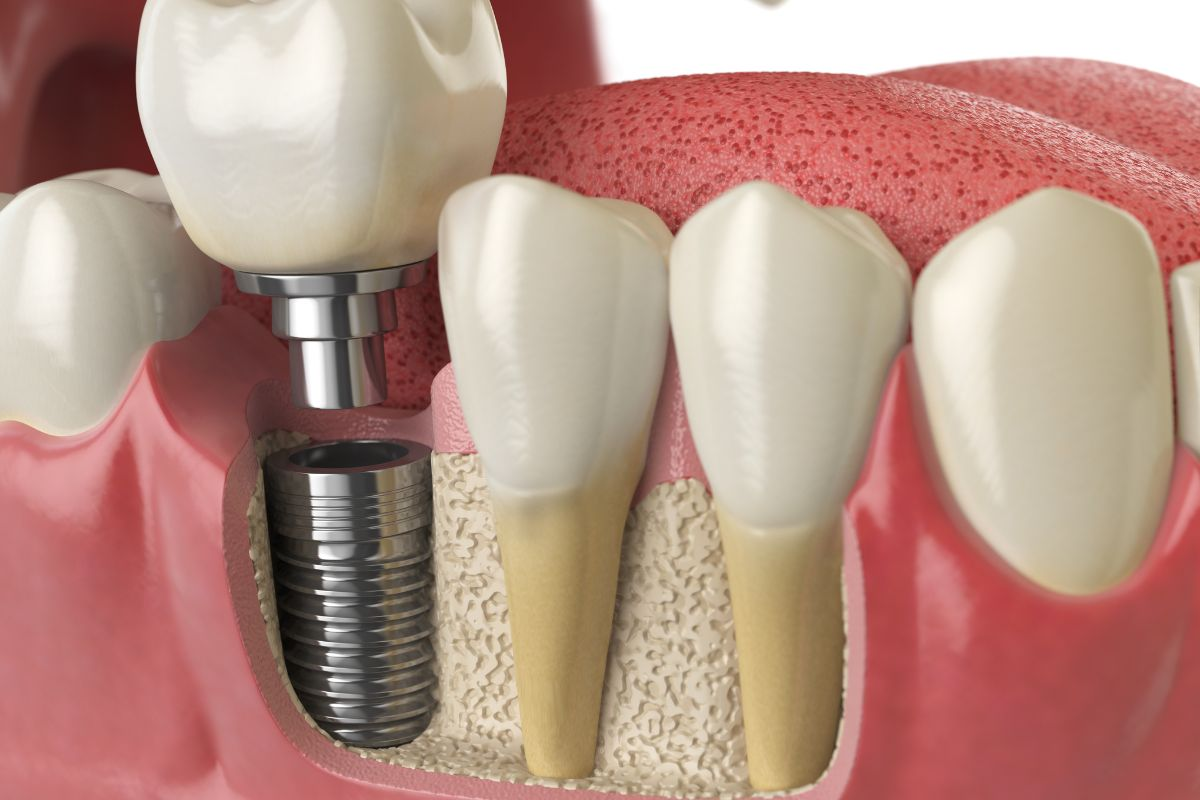
A dental implant has three parts:
- The implant post, a small titanium screw placed in the jawbone that acts as a new root.
- The abutment, a connector that attaches to the post.
- The restoration, usually a crown, but implants can also support a bridge or denture.
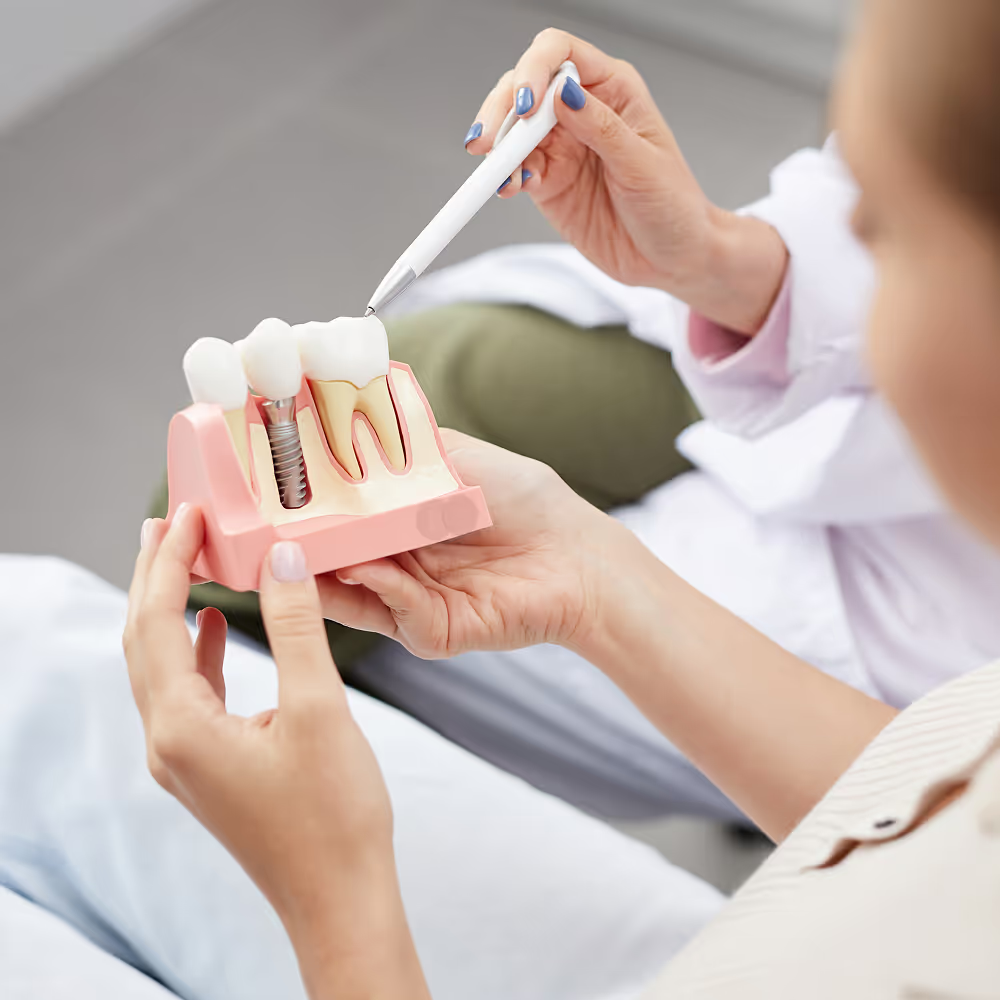
Over several months, the bone grows tightly around the post. That bond is what makes an implant stable enough to chew on like a natural tooth. You can read more on our dental implants page.
Am I a Good Candidate for Dental Implants?
Good candidates usually have one or more missing teeth, healthy gums, enough jawbone (or bone that can be rebuilt), and reasonable overall health.
A few common worries:
Am I too old?
Age alone is rarely the deciding factor. A meta-analysis of implants in older adults found 96.2% survival at 5 years and 91.2% at 10 years (Srinivasan et al., 2017). A broader review concluded that implant treatment in older patients is predictable, with a very high survival rate (Schimmel et al., 2018).
What if I have diabetes or heart disease?
The same review reported high implant survival in people with type 2 diabetes, and survival in people with cardiovascular disease that was similar to healthy patients. Radiation treatment for head and neck cancer and high-dose bone medications used for cancer carried more risk (Schimmel et al., 2018).
That is why your full medical history matters at the first visit.
What if I smoke?
You can still get implants, but the odds change. In a review of more than 80,000 implants, 6.35% failed in smokers compared with 3.18% in non-smokers. Smokers also had more post-surgical infections and more bone loss around the implant (Chrcanovic et al., 2015).
Cutting back or quitting before surgery is one of the most useful things you can do.
Does Getting a Dental Implant Hurt?
The procedure is done under local anesthesia, so you should feel pressure, not sharp pain.
Afterward, most people do better than they expect. In a study of 330 periodontal and implant surgeries, 70.3% of patients reported only mild pain, and the median duration of pain was about 2 days. More complex and extensive surgeries were linked with more discomfort (Mei et al., 2016).
If you feel anxious about dental work, our office offers sedation dentistry options, including nitrous oxide and oral or IV sedation.
How Long Does the Dental Implant Process Take?
Plan on several months from start to finish. A typical path looks like this:
- Consultation and 3D imaging. We review your health, examine your mouth, and take scans.
- Treatment planning. We map where the implant should go.
- Grafting, if needed. Some patients need bone or sinus grafting first, which adds healing time.
- Implant placement. The post is placed under local anesthesia.
- Healing and integration. The bone bonds to the implant over several months.
- Final crown. Your custom restoration is attached and the bite is adjusted.
For patients in La Puente and nearby Baldwin Park, Azusa, and Rowland Heights, that means a handful of visits spread over several months, with most of the time spent simply letting the bone heal. The exact timeline depends on your bone, whether grafting is needed, and how many teeth are being replaced.
What Is Recovery Like After Implant Surgery?
For a single implant, many people describe recovery as easier than they expected.
In the first few days, it is common to have some swelling, mild soreness, and a little bleeding. Cold compresses, rest, soft foods, and the pain relief your dentist recommends usually keep things manageable.
You will be asked to avoid chewing directly on the implant site while it heals, skip smoking, and keep the area clean as instructed. Recovery can take longer when grafting or several implants are placed at once.
Our post-op care guide has step-by-step instructions for the days after surgery.
How Long Do Dental Implants Last?
The long-term numbers are strong.
A systematic review of studies using modern implant systems estimated 96.4% implant survival at 10 years. When the authors also accounted for patients lost to follow-up, the more conservative estimate was 93.2%, and patients 65 and older had a higher risk of implant loss (Howe et al., 2019).
Keep in mind that the implant post and the crown on top are different things. The post can last for many years, while the crown may eventually wear or chip and need replacing.
What Happens If I Wait Too Long to Replace a Missing Tooth?
Bone needs stimulation from a tooth root to stay full. Once a tooth is gone, the bone starts to shrink.
A systematic review found that after an extraction, the jawbone lost 29% to 63% of its width and 11% to 22% of its height within about 6 months, with the fastest changes in the first 3 to 6 months (Tan et al., 2012).
That does not mean it is ever “too late.” It means waiting can turn a simple implant into one that needs grafting first.
Do I Need a Bone Graft Before an Implant?
Not always. It depends on how much bone is left where the implant will go.
If bone is thin or the sinus sits low above the upper back teeth, bone and sinus grafting can rebuild the area. If a tooth is being removed now, ridge preservation with PRP, PRF, or GBR can help protect the bone for a future implant.
Will My Implant Look Natural?
A well-planned implant crown should blend in with your other teeth.
The crown is custom-made to match the shade, shape, and size of your neighboring teeth. For front teeth, the gum line around the implant matters just as much, so we plan the implant position carefully with 3D imaging to support a natural-looking result.
Bone and gum volume play a big role here. When bone has shrunk, grafting can help create a better foundation for both function and appearance.
If you have several missing or worn teeth, an implant may be one part of a bigger plan. Our article on facts and myths about full mouth reconstruction explains how that works.
The Biggest Difference: An Implant Replaces the Root, Not Just the Tooth
Bridges and dentures replace the part of the tooth you can see. An implant also replaces the part you cannot.
That matters for three reasons:
- Neighboring teeth stay untouched. A single implant does not need the teeth beside it to be shaved down for support.
- Chewing force goes into the bone. This helps the implant feel stable when you bite.
- Nothing to take out. An implant crown is cleaned like a natural tooth.
An implant is not just a fake tooth. It is a new foundation.
If you are replacing a single tooth, our single tooth implant page explains how that works. If it is a back tooth, our post on how molar implants restore chewing power goes deeper.
What We Look at Before Recommending Dental Implants
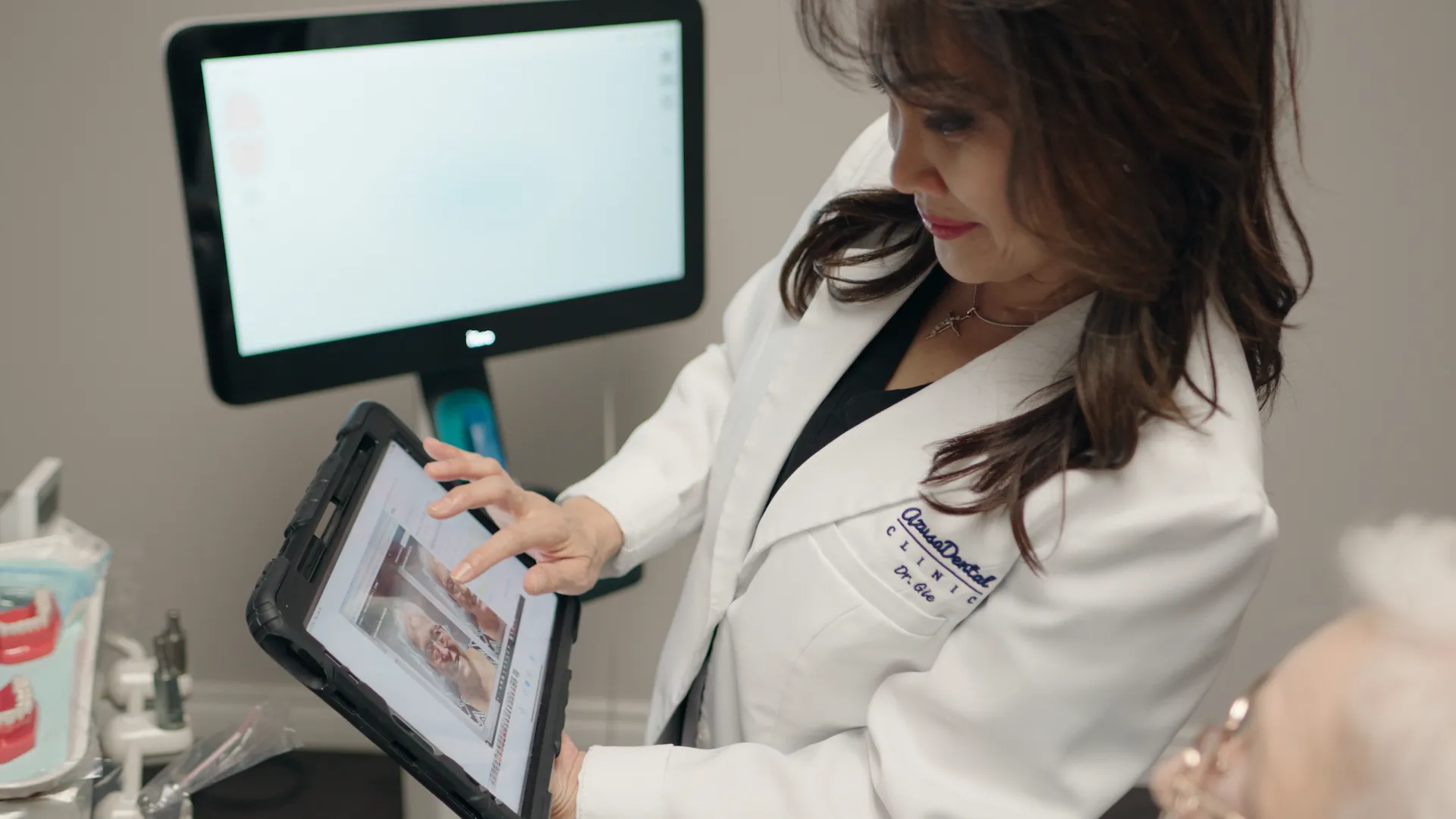
A good implant result starts long before surgery. Before recommending an implant, we review:
- Bone volume and quality using CBCT 3D imaging and digital X-rays.
- Gum health, since active gum disease needs to be treated first.
- Medical history and medications, including diabetes, bone medications, and past radiation.
- Smoking and other habits that affect healing.
- Your bite and grinding, which affect how much force the implant will take.
- The neighboring teeth and whether another option might serve you better.
- Your goals, timeline, and budget.
For many cases we use guided implant surgery, where the implant position is planned digitally before placement. You can see the imaging tools we use on our technology page.
What Are the Risks of Dental Implants?
Implants are reliable, but they are not risk-free.
The most important long-term risk is gum and bone inflammation around the implant. A review of the research estimated that peri-implant mucositis, an early gum inflammation, affected about 43% of patients, and peri-implantitis, which involves bone loss, affected about 22% (Derks & Tomasi, 2015). Case definitions varied across studies, so these numbers are estimates.
The takeaway is simple: implants cannot get cavities, but the gums and bone around them can still get sick. Daily cleaning and regular checkups matter for life.
| Factor | What research shows | What it means for you |
|---|---|---|
| Smoking | Higher failure, infection, and bone loss | Quitting or cutting back before surgery helps |
| Age 65+ | Still high survival, with somewhat higher risk of loss | Age alone is not a reason to rule implants out |
| Type 2 diabetes | High survival reported | Good blood sugar control supports healing |
| Head and neck radiation | Lower implant survival | Needs careful planning with your medical team |
| Gum inflammation around implants | Common over time | Daily cleaning and regular checkups are essential |
Other possible issues include infection after surgery, a loose screw or chipped crown, and, rarely, an implant that does not fuse with the bone. Careful planning lowers these risks but cannot remove them completely.
How Much Do Dental Implants Cost?
We do not list a single implant price, because the cost depends on:
- How many teeth are being replaced.
- Whether you need an extraction, bone grafting, or a sinus lift first.
- The type of restoration: a single crown, a bridge, or a denture.
- The materials used.
You will receive a detailed estimate after your consultation and imaging.
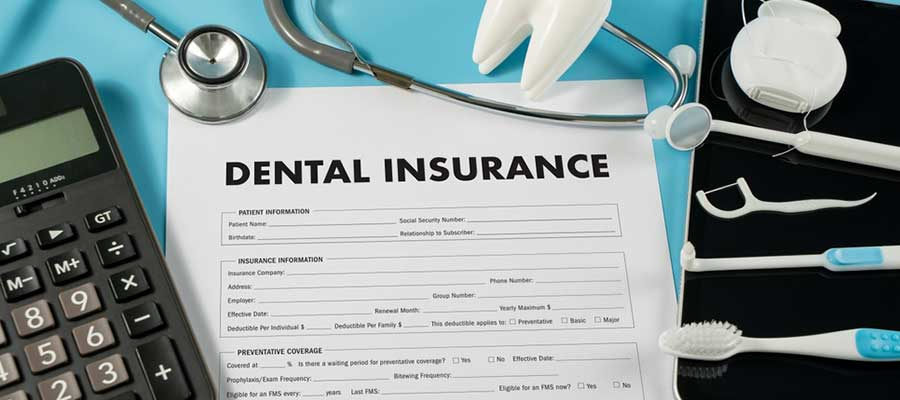
Some dental insurance plans cover part of implant treatment. Our office accepts all PPO plans, verifies your benefits, and files claims for you. CareCredit is also available for flexible monthly payments. Learn more on our insurance and financing page, or read our guide to dental implant insurance coverage.
Final Takeaways
- An implant replaces the tooth root and supports a crown, bridge, or denture.
- Most healthy adults are candidates, including many older adults and people with well-managed diabetes.
- Smoking roughly doubled implant failure rates in a large review.
- Most patients report mild pain for a couple of days after surgery.
- Expect several months from start to finish, longer if grafting is needed.
- About 96% of implants were still in place at 10 years in a major review.
- Gum health around the implant is the key to keeping it for the long term.
Talk to Us About Dental Implants in La Puente
The best way to answer your own implant questions is a consultation with real scans of your own mouth.
We will look at your bone, your gums, and your goals, then explain your options and costs clearly. We speak English, Tagalog, and Spanish.
Schedule your implant consultation or call 626-336-4453.
Research References
- Chrcanovic BR, Albrektsson T, Wennerberg A. Smoking and dental implants: a systematic review and meta-analysis. J Dent. 2015;43(5):487-498. https://pubmed.ncbi.nlm.nih.gov/25778741/
- Derks J, Tomasi C. Peri-implant health and disease. A systematic review of current epidemiology. J Clin Periodontol. 2015;42 Suppl 16:S158-S171. https://pubmed.ncbi.nlm.nih.gov/25495683/
- Howe MS, Keys W, Richards D. Long-term (10-year) dental implant survival: a systematic review and sensitivity meta-analysis. J Dent. 2019;84:9-21. https://pubmed.ncbi.nlm.nih.gov/30904559/
- Mei CC, Lee FY, Yeh HC. Assessment of pain perception following periodontal and implant surgeries. J Clin Periodontol. 2016;43(12):1151-1159. https://pubmed.ncbi.nlm.nih.gov/27554366/
- Schimmel M, Srinivasan M, McKenna G, Müller F. Effect of advanced age and/or systemic medical conditions on dental implant survival: a systematic review and meta-analysis. Clin Oral Implants Res. 2018;29 Suppl 16:311-330. https://pubmed.ncbi.nlm.nih.gov/30328186/
- Srinivasan M, Meyer S, Mombelli A, Müller F. Dental implants in the elderly population: a systematic review and meta-analysis. Clin Oral Implants Res. 2017;28(8):920-930. https://pubmed.ncbi.nlm.nih.gov/27273468/
- Tan WL, Wong TL, Wong MC, Lang NP. A systematic review of post-extractional alveolar hard and soft tissue dimensional changes in humans. Clin Oral Implants Res. 2012;23 Suppl 5:1-21. https://pubmed.ncbi.nlm.nih.gov/22211303/